Exterior Car Detailing Frequency Explained | When & Why to Detail
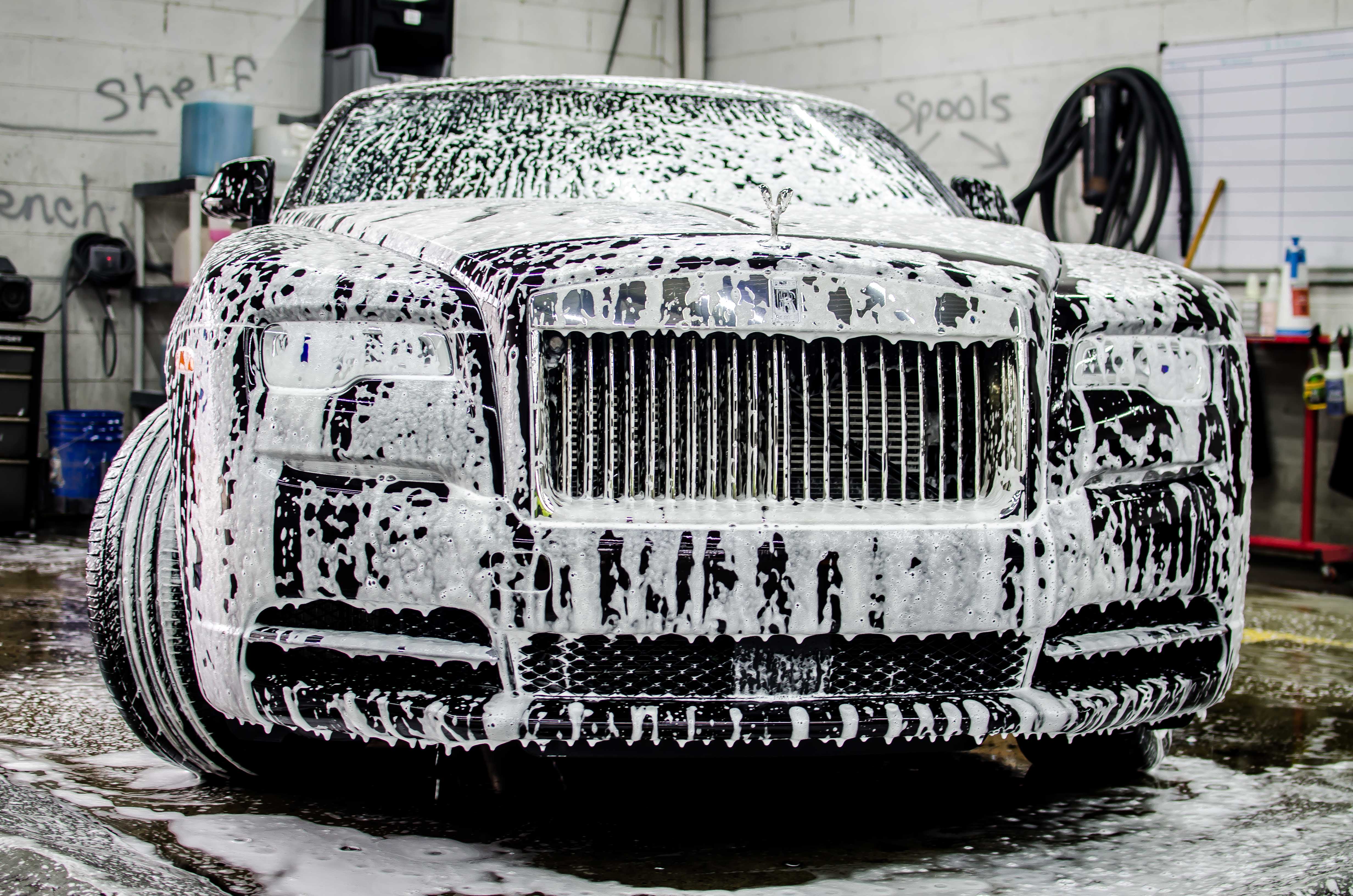
Detailing Your Car Exterior: How Often & Why It Matters
Have you ever seen a car that catches your eye as it rolled off the showroom? The owner most certainly takes exceptional care of their cars, and frequent detailing is a big part of it. If you want to maintain your car's exterior and keep it looking great, safeguarding it from mud, corrosion, and other harm, detailing is crucial. But how often should you detail your car exterior and why does this matter? Let's find out!

Benefits of Regularly Detailing Your Car Exterior
Regular car detailing helps maintain the appearance of your car's paint. The process removes dirt, grime, bugs, bird droppings, and other debris that can leave residue on the paint job. This helps maintain a smooth finish and glossy look throughout the year.
Detailing also protects your car's exterior from weathering caused by sun exposure, rain, snow, hail, or windy conditions. Additionally, detailing helps protect against oxidation (rust) as well as corrosive elements such as salt or oil spills.
Moreover, detailing your car exterior is vital for your safety. Better driving visibility and less glare from the sun are both provided by a clean car exterior helps improve both your and other drivers' safety when driving.

What is included in auto detailing?
If you want to drive a brand-new, maintained car, you must make make exterior detailing as part of a regular maintenance routine (similar to an oil change). Car exterior detailing works by removing dirt, swirl marks, and dull paint to restore the car as closely as possible to its pre-damage appearance.
Car detailing consists of two components: interior car detailing and exterior car detailing.
Cleaning and reconditioning your car from top to bottom is the procedure of exterior detailing.
This entails cleaning the headlights, engine compartment, wheels, glass, and other crucial components. Moreover, Clay Bar treatment, waxing, polishing, paint correction, ceramic coating, and other services are included in exterior detailing and will bring your car an enhanced gloss and safeguard it from numerous contaminants.
Contrarily, interior car detailing involves upgrading the interior of your car with services like vacuuming, steam cleaning, leather trimming, etc. To ensure a dust-free driving experience, the interior of your car has been meticulously cleaned and detailed.

How Often Should You Detail Your Car Exterior?
Auto detailing professionals advise detailing your car at least twice a year.
You may also be able to get it done, depending on your demands and the condition of your car. Regular car washing, waxing, and other services carried out twice a year can keep it clean and protect it from external environments.
Your environment (dry climate vs. humid environment), how commonly you use your car, and where it is parked all affect how often you detail the exterior of your cars (indoors vs outdoors).
There are some exceptions to the general rule that most cars should be detailed at least once per month for optimal outcomes.
For example, if you live in an area with harsh winters or extreme heat (especially in Houston) then you may want to detail more frequently than once a month to keep your vehicle looking its best throughout the year.
You may also want to detail more often if your vehicle is used regularly or parked outdoors for extended periods of time.
In addition to regular detailing sessions, it is important to perform spot treatments when necessary such as removing tree sap or bird droppings quickly before they have a chance to cause long-term damage to the paint job.
If done correctly detailing can help extend the life of your vehicle while keeping it looking brand new all year round! Having paint protection installed like Paint Protection Film or Nano Ceramic Coating, tremendously extends the longevity of your car's exterior.
To wrap things up
Detailing is important to keep any car looking its best over time. It helps maintain smooth paint jobs while protecting against dirt, corrosion, and other damage caused by environmental factors like extreme temperatures or sun exposure.
Most cars should be detailed at least once a month but this could vary depending on where you live and how often you use your vehicle so it's important to assess these factors before deciding how frequently you should detail your car exterior.
To summarize, trying to keep the exterior clean and detailed is necessary for your car's overall health, safety, and aesthetics, and trying to maintain it at least once a month is ideal.
If you don't have the right tools or equipment or are not sure where to go, you can always contact us or visit our store in Houston at 6261 Richmond Avenue, Suite C Houston, TX 77057.

FAQs
What is exterior car detailing?
Exterior detailing is a thorough cleaning and protection process that goes beyond a regular car wash. It includes washing, decontamination, polishing, and applying protective layers like wax, sealants, or ceramic coatings to preserve the paint.
How often should you detail your car’s exterior?
Most vehicles should be exterior detailed every 3–6 months, depending on driving habits, climate, and exposure to dirt, sun, and pollution. High-use or outdoor-parked vehicles may need more frequent detailing.
Why is regular exterior detailing important?
Regular detailing protects the paint from UV damage, oxidation, water spots, and contaminants. It helps maintain shine, prevents long-term damage, and keeps the vehicle looking newer for longer.
Does climate affect how often exterior detailing is needed?
Yes. In hot, humid, or polluted areas like Houston, contaminants build up faster. Frequent detailing helps protect the paint from sun exposure, acid rain, and environmental fallout.
Is car washing enough to maintain the exterior?
Washing removes surface dirt, but it does not eliminate bonded contaminants or restore paint protection. Exterior detailing addresses deeper contamination and adds protective layers that washing alone cannot provide.
How often should wax or sealant be reapplied?
Wax typically lasts 1–3 months, while paint sealants last around 3–6 months. Reapplication should align with your detailing schedule to maintain consistent protection.